NAEYC Accredited, 5-Star Preschool in Greenville, NC.
Contact Us To Schedule A Tour Call: (252) 756-8200
Toddlers are curious by nature, and the best way for them to learn is through hands-on exploration. Sometimes that looks like focused block-building. Other times… it looks like pouring cereal on the floor just to see what happens. While it may feel like chaos in the moment, it’s actually an example of meaningful learning in action.
Toddlers are strengthening memory, attention, and early problem-solving skills every day. Join the early childhood educators from our 5-star preschool in Greenville as we break down what these skills look like, how they develop, and how you can support them at home and in the classroom.
Toddlers are learning more than words and movement as they grow—they’re learning how to focus, remember, and work through small challenges day-to-day. These early skills are called cognitive development milestones, and they play a big role in school readiness. The goal of cognitive development isn’t to achieve in early academics—it’s overarching purpose is to help toddlers build the mental tools they’ll use every single day of their lives.
When these skills grow, you’ll often notice changes like:
Before we talk about activities and ways to support these skills, it helps to define what we mean by memory, attention, and problem-solving in toddlerhood.
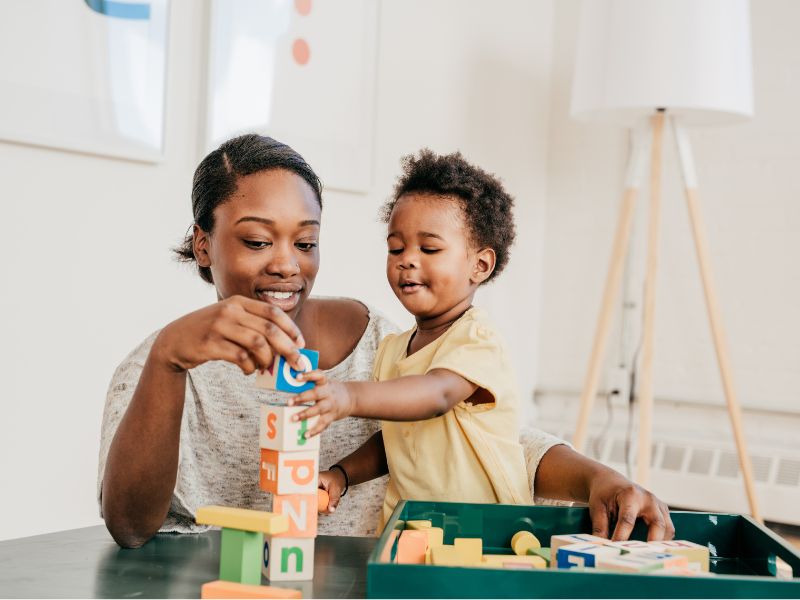
Parents often ask great questions, for instance—Is my toddler’s attention span typical? Should they be remembering more by now?—and the honest answer is that cognitive development in toddlers varies widely at this age. Toddlers grow quickly, but not always evenly, and children can look very different from one another while still being completely on track.
Memory is the brain’s ability to store and retrieve information. In toddlers, memory shows up when they recognize routines, remember people, anticipate what happens next, or repeat something they’ve seen before (usually when you least expect it).
Attention is the ability to focus on a task—briefly at first, then with increasing stamina. A toddler’s attention span is supposed to be short. That’s not a flaw; it’s part of the development process. The goal is gradual strengthening, not perfection.
Problem-solving is how toddlers figure things out. It includes trial-and-error, learning cause and effect, and eventually forming strategies—like turning a container upside down so a toy falls out. Problem-solving is also what makes toddlers persistent… and occasionally very determined to do something unsafe.
Interestingly, toddlers don’t usually learn best through instruction—they learn best through play-based learning. Play is where toddlers practice attention, memory recall, and flexible thinking. Harvard’s Center on the Developing Child highlights play as a key “brain-building” activity because it encourages children to plan, problem-solve, communicate, and persist through challenges. It’s basically cognitive training disguised as fun.
Play doesn’t just entertain toddlers. It teaches them how to:

Memory is one of the most exciting aspects of toddler development because it often appears suddenly. One day, your child seems forgetful, and the next day they remember exactly where you hid their snacks.
Most memory development in 2-year-olds and 3-year-olds is tied to routines and repetition. Toddlers build memory by hearing the same phrases, seeing the same steps, and predicting what comes next.
Common examples include:
Most memory-building happens in normal moments at home—and it doesn’t need to take complicated preparation or perfection to achieve.
Helpful approaches include:
Attention can feel like the hardest part when parenting a toddler. Toddlers are distracted by everything—sounds, movement, their own thoughts—and that’s completely normal (and common in many adults as well). Instead of expecting your preschooler to master long-term focus, think of attention as endurance training. Short bursts grow into longer stretches, especially within supportive learning environments.

Attention isn’t just personality-based—it’s also influenced by your child’s sleep, nutrition, sensory overwhelm, and emotional regulation.
Common attention disruptors include:
When families want to support toddler focus, the goal is not to force stillness. It’s to create conditions that make attention easier for your little one.
Practical strategies include:
Problem-solving is how toddlers start developing resilience. They learn that effort matters—and that mistakes are part of the learning process.
This matters because problem-solving is closely tied to:
Toddlers test outcomes constantly. They drop things, push buttons, open cabinets, and dump water—because they’re studying cause and effect. That’s not always misbehavior. A lot of the time, it’s your toddler doing real learning through trial and error. They’re experimenting, checking results, and learning how the world works—even if it creates a mess along the way.
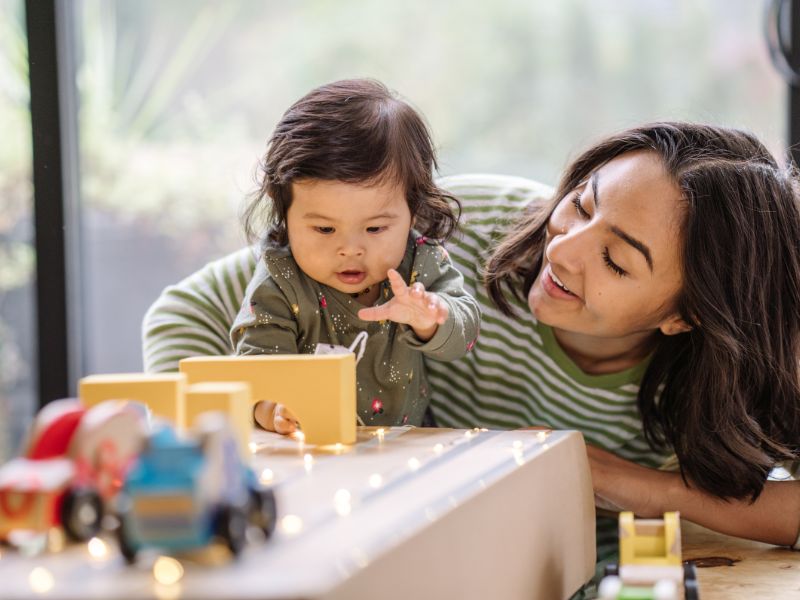
You don’t need special materials or expertise to help your toddler build problem-solving skills. The best way to support toddler thinking skills at home is through hands-on, slightly challenging activities.
Great options include:
At Children’s Campus of Greenville, cognitive development isn’t treated like a worksheet goal. It’s supported through routine, classroom design, age-appropriate expectations, and intentional teacher interactions. In other words: we build skills through daily structure, play, and relationships—because that’s how toddlers learn.

A high-quality toddler classroom provides something that home settings often can’t consistently replicate: peer interaction and a structured learning flow.
Benefits include:
At Children’s Campus of Greenville, we provide an enriching early learning experience grounded in developmentally appropriate practice and inspired by NAEYC-aligned standards. This helps our students build the cognitive foundation they’ll use for years to come.
To learn more, schedule a tour, or enroll your child, by filling out our online contact form today.
"*" indicates required fields