NAEYC Accredited, 5-Star Preschool in Greenville, NC.
Contact Us To Schedule A Tour Call: (252) 756-8200
When comparing daycare vs preschool, the key difference is that daycare centers serve a wider age range with flexible full-day care, while preschools are designed specifically for early childhood development with a focus on structured learning, early academics, and school readiness. While both types of child care programs support children’s safety, routine-building, and social interaction, they serve different purposes and are built around different approaches to early learning.
Join our early childhood educators from Children’s Campus of Greenville, a 5-star preschool in NC, as we explore the key differences between daycare and preschool learning programs. When families are fully informed, they can decide which environment best supports their child’s needs.
Daycare and preschool programs both help children learn, but they do so in different ways.
Daycare centers typically serve a wider age range, including infants, toddlers, younger children, and in some cases older children, offering flexible routines and full-day care. Preschools, however, are designed specifically for children that are 3-years old through 5-years old, with some beginning as young as 2-years old. A good preschool focuses on structured learning, early academic foundations, and school readiness.
Daycare centers tend to use play based learning to help younger children explore safely while developing independence and social skills. Activities are flexible, allowing children to choose materials, move between play areas, and interact with other kids across mixed age groups.
This approach works well for children who need a nurturing environment with consistent comfort and supervision from daycare staff throughout the day.
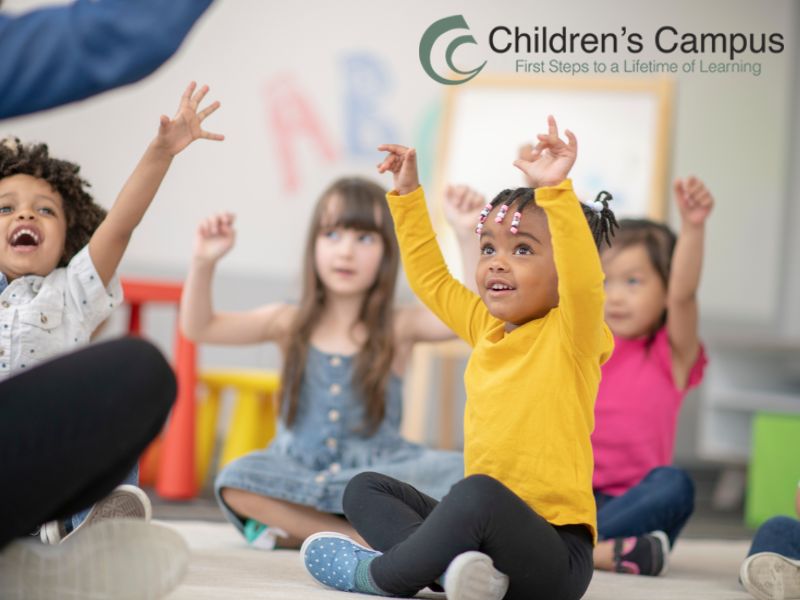
Preschool programs introduce a structured learning environment that promotes early childhood education and school readiness. PreK teachers use a structured curriculum that incorporates storytelling, counting games, science exploration, early writing practice, and hands-on learning.
This focus on pre academic skills supports early childhood development and helps prepare children for kindergarten with confidence.
Both daycare and preschool help children build social skills and emotional development, but preschool offers a more age-specific approach. Because children are grouped within a similar age range, preschool staff tailor lessons to developmental milestones and guide children through cooperative play, problem-solving, communication, and self-regulation.
This provides a stronger and more intentional foundation for entering elementary schools.
Daycare programs offer essential care for families who need longer hours, flexible schedules, and supervision for younger or widely mixed age groups. These programs support working parents while helping children feel secure in a comfortable, safe, and nurturing environment.
Benefits of daytime child care programs are:
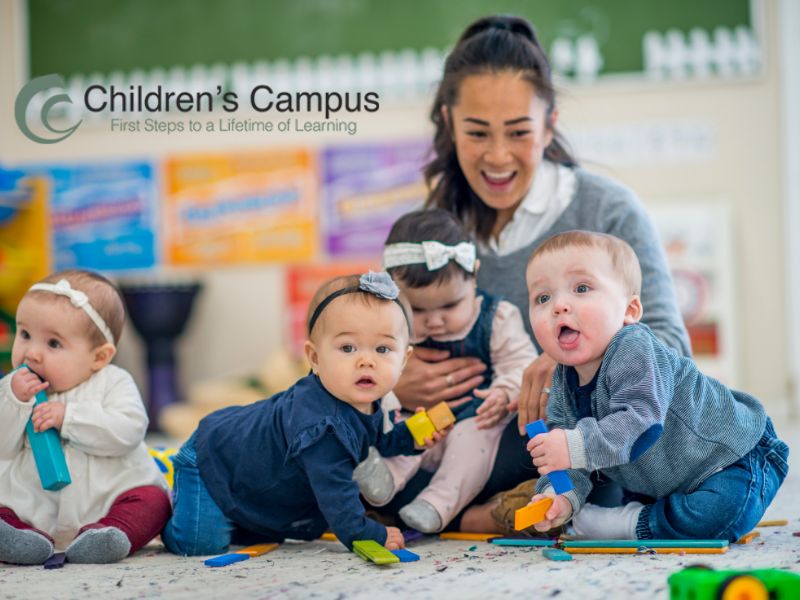
Preschool programs are intentionally designed to support early childhood development for pre-k aged children. Families often choose preschool vs daycare when they want a structured approach to early education and school readiness.
Benefits of preschool includes:
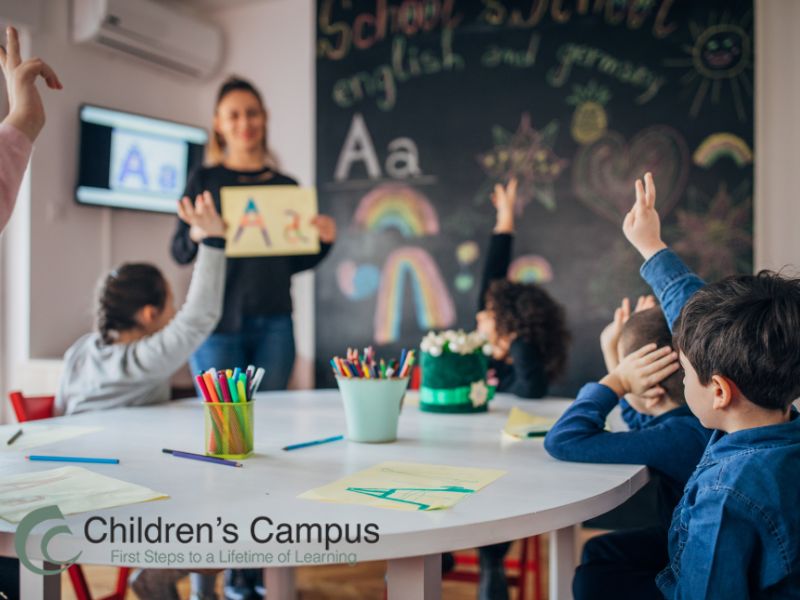
Choosing the best choice among the different types of childcare depends on your child’s age, developmental stage, early education goals, and your family’s schedule. Understanding these factors helps determine which type of child care best supports your child’s development.
Your child’s age plays a major role in determining the best fit. Daycares tend to support children ages 6 weeks to 5 years, offering flexible routines ideal for infants and toddlers. As children start preschool—usually around ages 2.5 to 4—they benefit from a classroom setting that supports pre academic skills, school readiness, and structured learning experiences that help prepare them for kindergarten school programs.
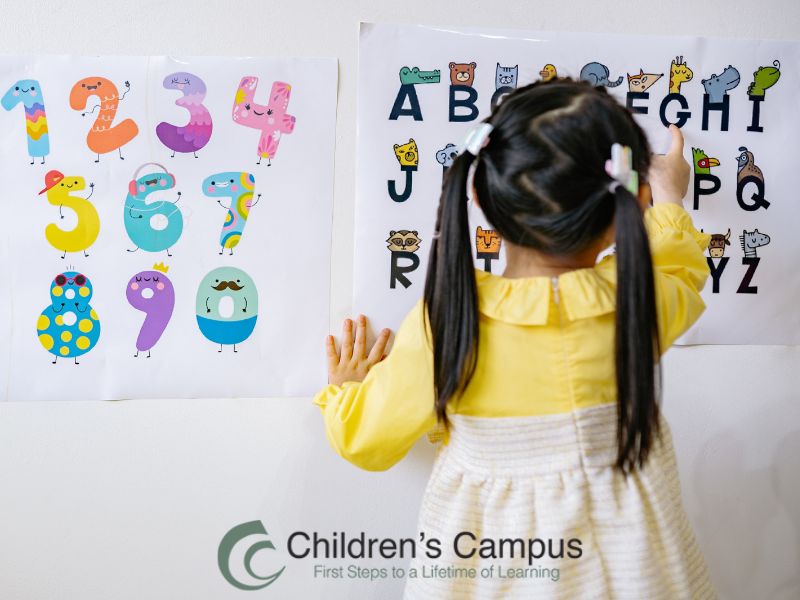
Each child learns differently. If your child is happiest exploring toys, engaging in open-ended free play, or moving between activities at their own pace, and has not yet been potty trained, high quality child care at a daycare center may be a good match.
However, if your child shows interest in stories, early number play, group learning, or problem-solving activities, a program that follows a more structured (but still fun) preschool curriculum provides the developmentally focused environment they need to grow academically and socially.
Many parents consider practical needs when deciding between daycare vs preschool. Some preschools operate on half day or school hours, while daycare programs often provide full-day, year round care. If your family needs consistent care across the year, daycare programs may be more convenient. If your primary goal is early education that promotes a love for early learning and exploration in a safe environment, a preschool program may be the better fit.
Choosing between daycare vs preschool is a major decision, and visiting in person can help you understand what environment best supports your child’s development. At Children’s Campus of Greenville, we invite families to tour our classrooms, meet our preschool teachers, and learn how our 5-star preschool program prepares children for a smooth transition into kindergarten.
Contact us today to learn more, schedule a tour, or enroll your child in a program, by calling 252-756-8200 or filling out our contact form to get started.
"*" indicates required fields