NAEYC Accredited, 5-Star Preschool in Greenville, NC.
Contact Us To Schedule A Tour Call: (252) 756-8200
February is Children’s Dental Health Month, a time dedicated to helping families understand why strong dental habits matter early on—and how simple routines can protect kids’ growing smiles. From daily brushing and flossing to consistent dentist visits, good oral hygiene plays a major role in preventing cavities, discomfort, and avoidable health issues.
At Children’s Campus of Greenville, the educators at our 5-star preschool believe dental health is an important part of overall childhood wellness, both at home and in the classroom. Join us as we share helpful facts and practical tips designed to help families support children in building strong habits for life.
Healthy dental habits start earlier than many parents realize—and the routines you build in the first few years can shape your child’s oral health for life. From caring for gums before teeth come in to teaching toddlers to brush independently, each stage of childhood has different dental care needs.
Healthy oral care starts before the first tooth appears. Gently cleaning your baby’s gums and early teeth helps prevent bacteria buildup and supports healthy development as new teeth come in. Many dentists recommend a first dental visit for infants by age one.
What to focus on at this stage:
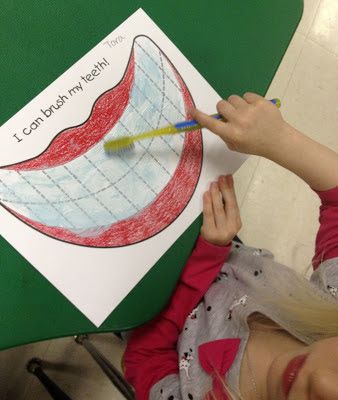
Toddlers start building independence, but they still need hands-on help brushing their teeth. This stage of dental care is all about consistency—creating simple routines that make brushing feel normal, not stressful. Early prevention around the the age of 2-years-old can help reduce cavities and dental anxiety later.
What to focus on at this stage:
PreK aged kids can take more responsibility for dental care, but they still need reminders and supervision. At around 3-years old, kids are learning stronger brushing habits and beginning to understand how food choices affect their teeth. Regular dental checkups become even more important as their teeth develop.
What to focus on at this stage:
Children’s dental health goes beyond brushing—it affects comfort, confidence, learning, and overall wellness. Here are a few key facts that help explain why early oral care matters.
Tooth decay (cavities) is one of the most common childhood health conditions in the U.S.—and it can start earlier than many parents think. The good news is that cavities are highly preventable with consistent oral care and routine dental visits.
Active kids are at higher risk for dental injuries, and sports accidents are responsible for an estimated 10% to 39% of dental injuries in children. A properly fitted mouthguard and the right protective gear can help reduce the chances of a serious tooth injury.

Fluoride is a naturally occurring mineral that helps prevent cavities by strengthening tooth enamel and making teeth more resistant to acid attacks. This is one of the reasons many dental professionals recommend fluoride toothpaste and appropriate fluoride exposure for children.
Thumb sucking is common in early childhood, but if it continues for too long, it may impact how teeth grow in and how the mouth develops. If the habit continues as your child gets older, your dentist can recommend strategies to help support healthy development.
Dental pain and untreated cavities can affect more than just a child’s smile—it may also impact their ability to focus and learn. Studies consistently link poor oral health to missed school time and reduced school performance.
February is Children’s Dental Health Month, making it a great time to focus on healthy habits that support your child’s growth and well-being. At Children’s Campus of Greenville, we help reinforce age-appropriate wellness routines in our classrooms—like learning healthy daily habits, practicing self-care skills, and building confidence through consistent routines.
Contact us today at (252) 756-8200 to learn more about our early childhood education programs and schedule a tour of our 5-star preschool in Greenville.